About the work
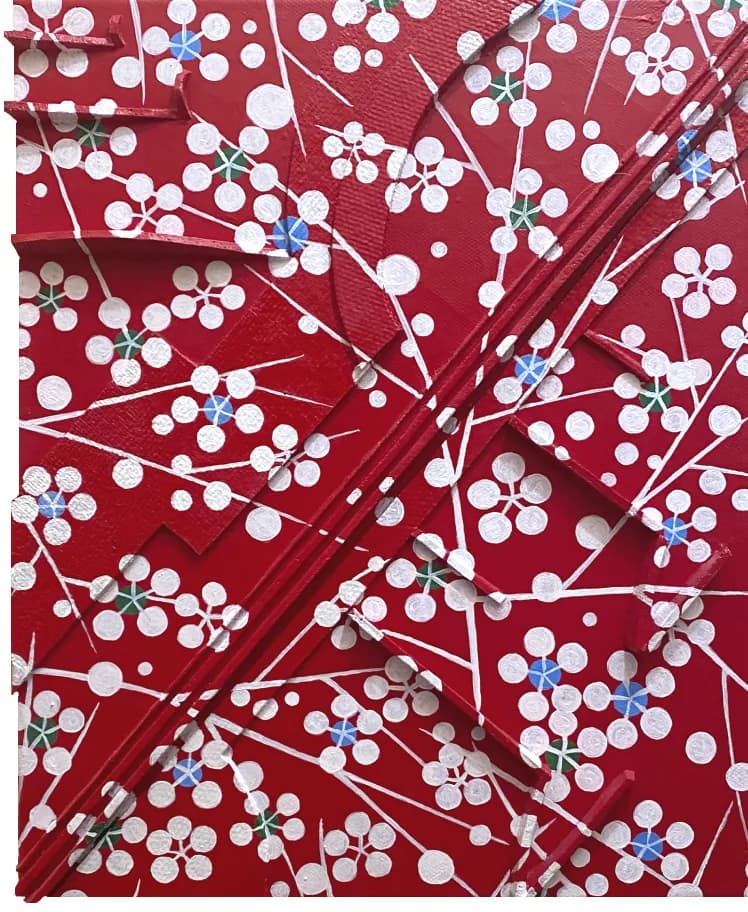
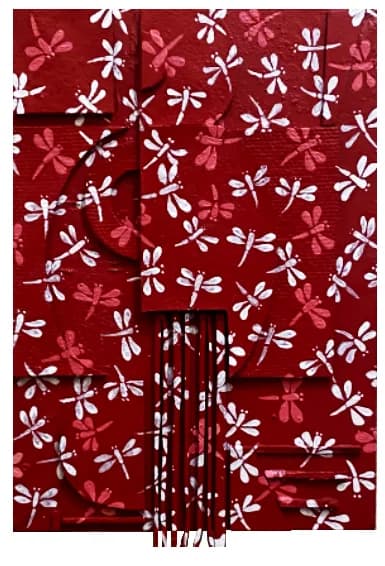
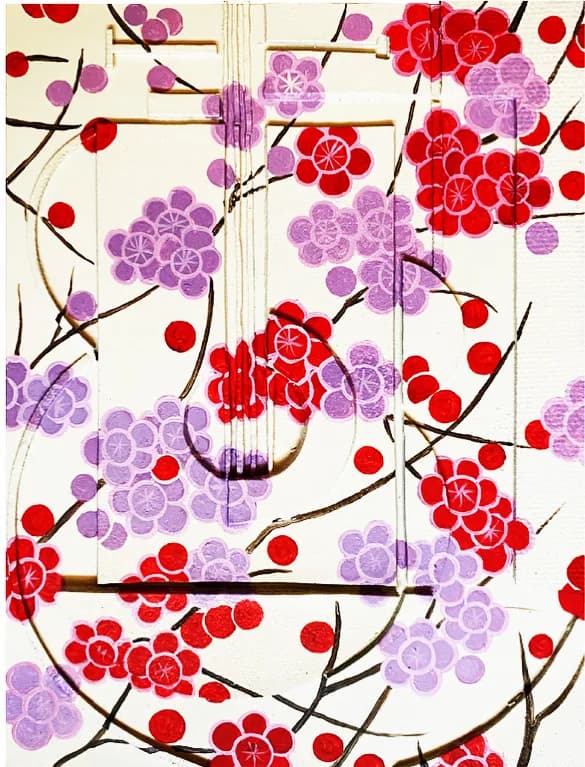
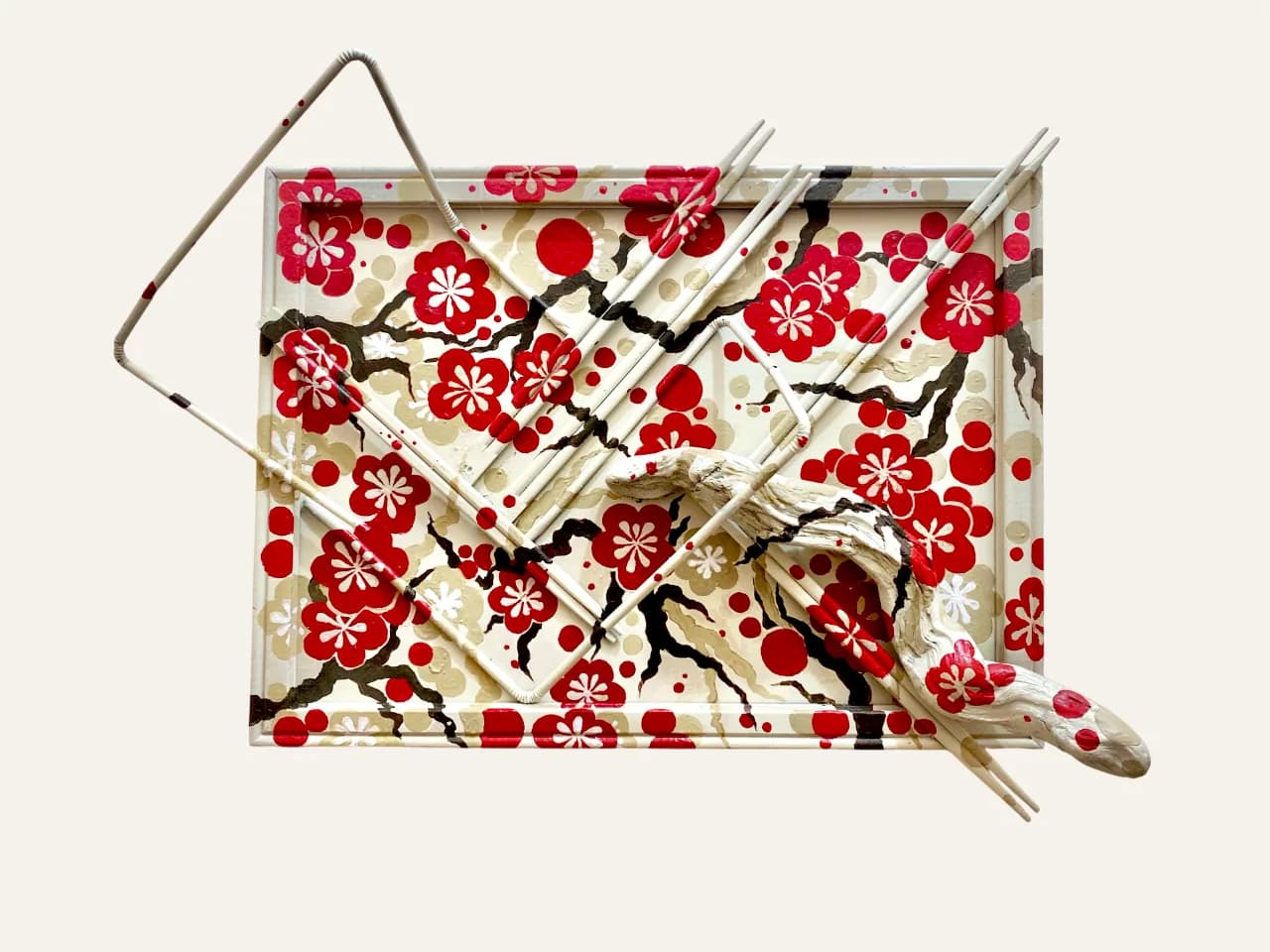
A Persian ornament, originally built as a continuous system of rhythm and symmetry, is deformed and drawn into a complex relief structure. The surface is compressed, shifted and partly turned inside out, becoming a tense field in which the pattern loses its stability.
The composition is assembled from utilitarian elements of the everyday environment — fragments of pipes, brackets, objects without artistic status that usually go unnoticed. Built into the surface, these forms create a hidden framework that holds the image. They appear as protrusions, cuts and shifts, breaking the logic of the ornament.
Outlines of familiar things can be made out in the structure — details resembling a clothes hanger or a writing quill. These elements are not declared directly, but are read as traces of human presence and daily practice.
The work joins decorative tradition with the materiality of the everyday, turning ornament into a surface where cultural memory intersects with an unnoticed, utilitarian reality.